Bläddra bland 157 recept med kompletta näringsvärden per portion — kalorier, protein, kolhydrater och fett.

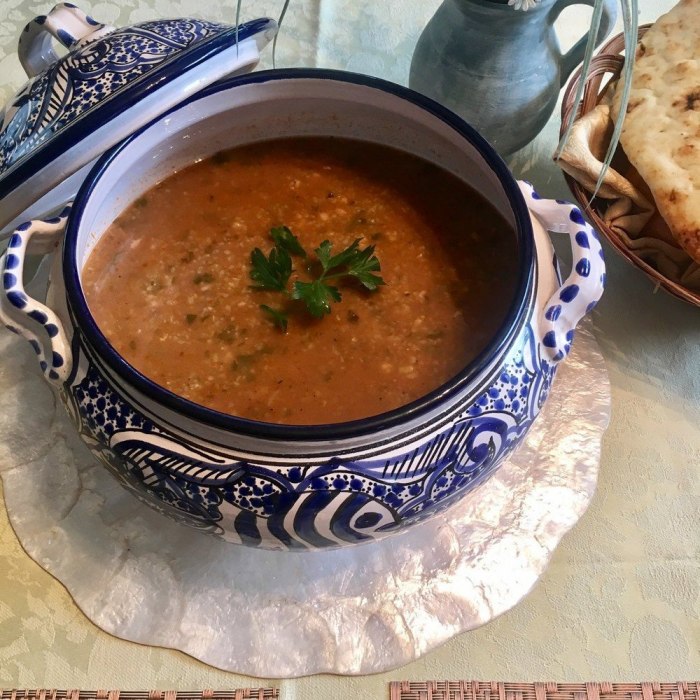
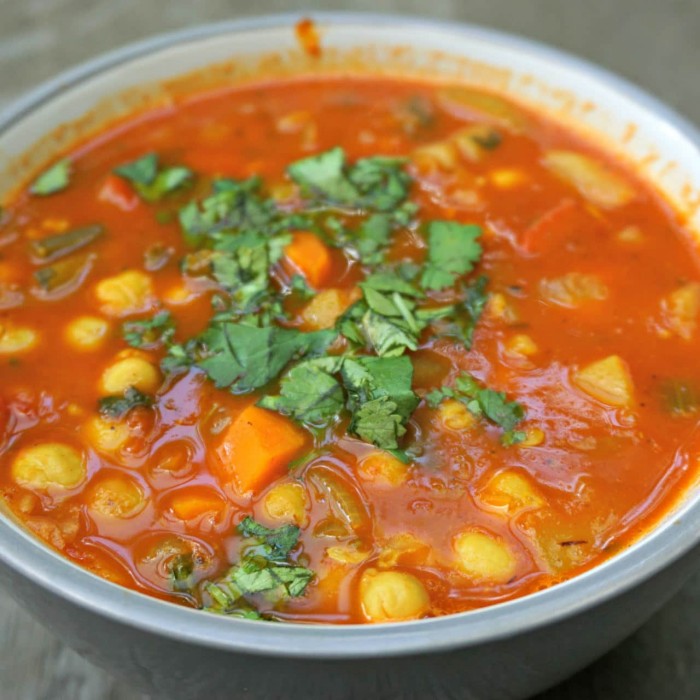
Add the lamb to a casserole and cook over high heat. When browned, remove from the heat and set aside. Keep a tablespoon of fat in the casserole and discard the rest. Reduce to medium heat then add the garlic, onion and spinach and cook until the onion is translucent and the spinach wilted or about 5 minutes. Return the lamb to the casserole with the onion-spinach mixture, add the tomato puree, cumin, harissa, chicken, chickpeas, lemon juice, salt and pepper in the pan. Simmer over low heat for about 20 minutes. Add the pasta and cook for 15 minutes or until pasta is cooked.

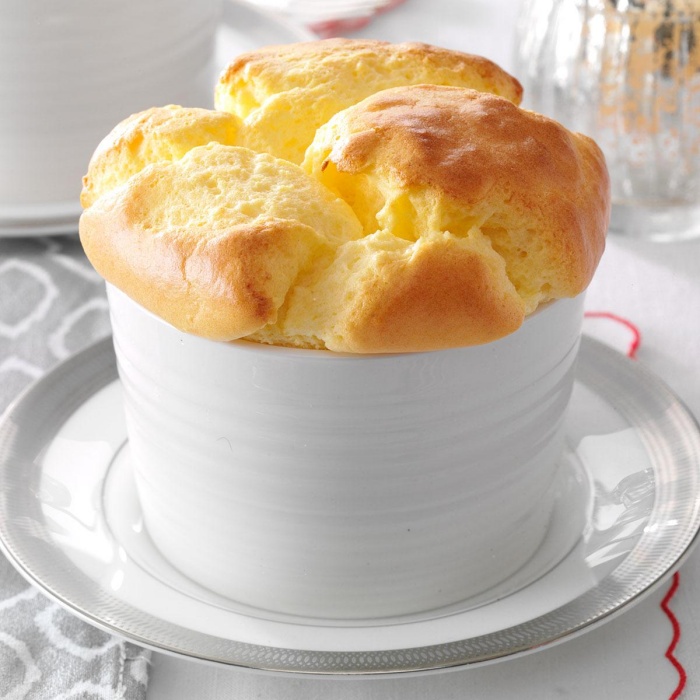
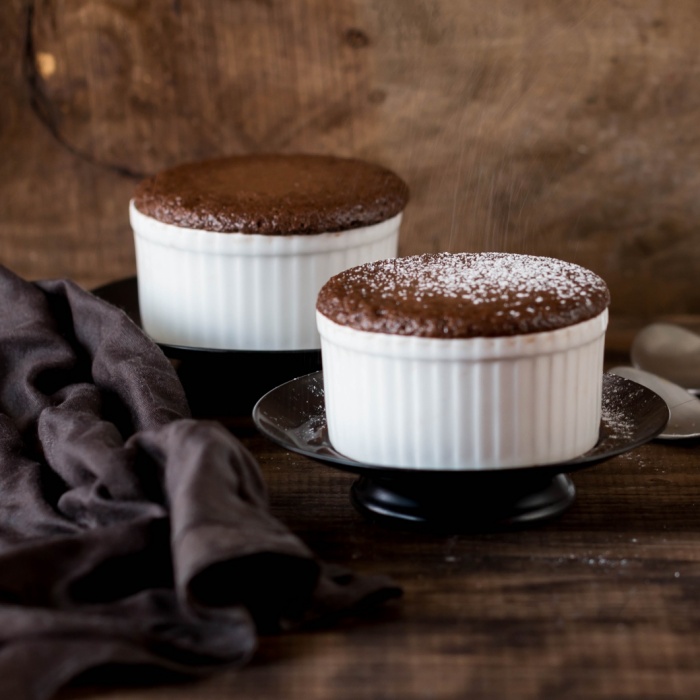
Heat oven to 200C/180C fan/ gas 6 and butter 4 small (about 200ml) ramekins. Sprinkle the Parmesan into the ramekins, turning until all sides are covered. Place the milk and bay leaves in a large saucepan over a gentle heat and bring to the boil. Turn off the heat and leave to infuse for 15 mins. Discard the bay leaves, add the butter and flour, and return to a low heat. Very gently simmer, stirring continuously with a balloon whisk, for about 6 mins until you get a smooth, thick white sauce. Make sure that you get right into the corners of the pan to stop the sauce from catching or becoming lumpy. Once thickened, transfer the sauce to a large bowl and stir in the mustard powder, cayenne pepper, Gruyère and egg yolks until fully combined. In a spotlessly clean bowl and with a clean whisk, beat the egg whites just until peaks begin to form. Carefully fold the egg whites into the cheese sauce in three stages making sure you fold, rather than stir, to keep the egg whites light and airy. Fill the prepared ramekins with the soufflé mix. Top each soufflé with a slice of goat’s cheese, then place on a baking tray. Bake for 20-25 mins or until springy and well risen but cooked through. Leave to cool, then run a knife around the edge of each dish and remove the soufflés. If preparing in advance, place soufflés upside down (for neat presentation), on a tray. Cover tray in cling film. Chill for a few days or freeze for up to 1 month. When ready to re-bake, heat oven to 200C/180C fan/gas 6. Place the upside-down soufflés in a shallow baking dish, top with the remaining goat’s cheese slices and pour over the cream (this stops them from drying out when baked for the second time). Cook for 8-10 mins until golden. Serve immediately alongside some simply dressed salad.
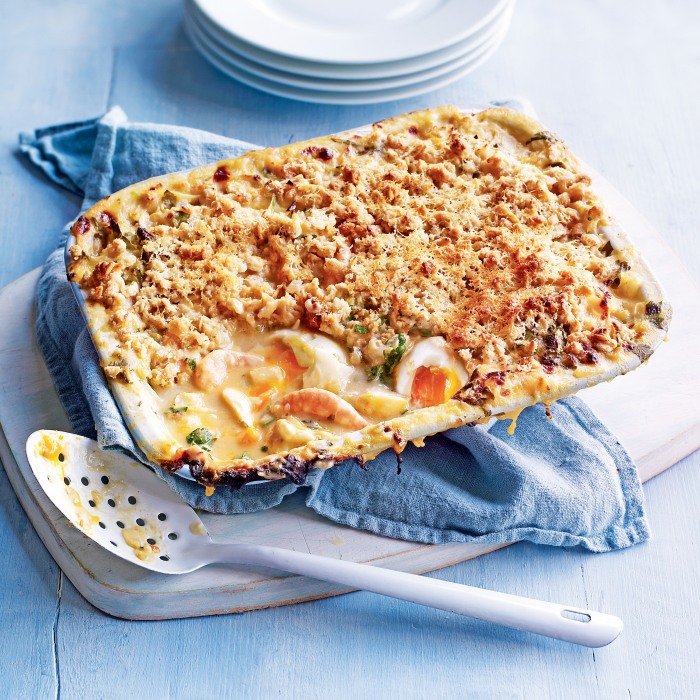
Preheat the oven to 200C/400F/Gas 6 (180C fan). Put the potatoes into a saucepan of cold salted water. Bring up to the boil and simmer until completely tender. Drain well and then mash with the butter and milk. Add pepper and taste to check the seasoning. Add salt and more pepper if necessary. For the fish filling, melt the butter in a saucepan, add the leeks and stir over the heat. Cover with a lid and simmer gently for 10 minutes, or until soft. Measure the flour into a small bowl. Add the wine and whisk together until smooth. Add the milk to the leeks, bring to the boil and then add the wine mixture. Stir briskly until thickened. Season and add the parsley and fish. Stir over the heat for two minutes, then spoon into an ovenproof casserole. Scatter over the eggs. Allow to cool until firm. Spoon the mashed potatoes over the fish mixture and mark with a fork. Sprinkle with cheese. Bake for 30-40 minutes, or until lightly golden-brown on top and bubbling around the edges.

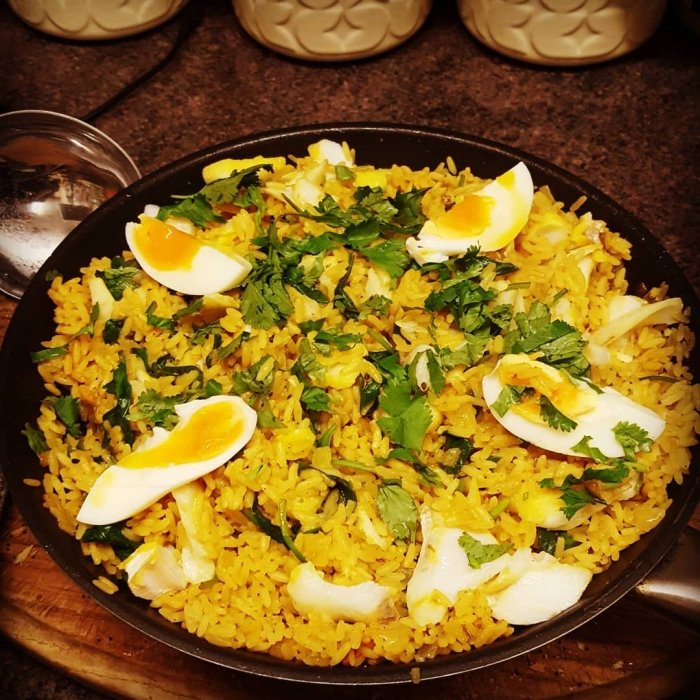
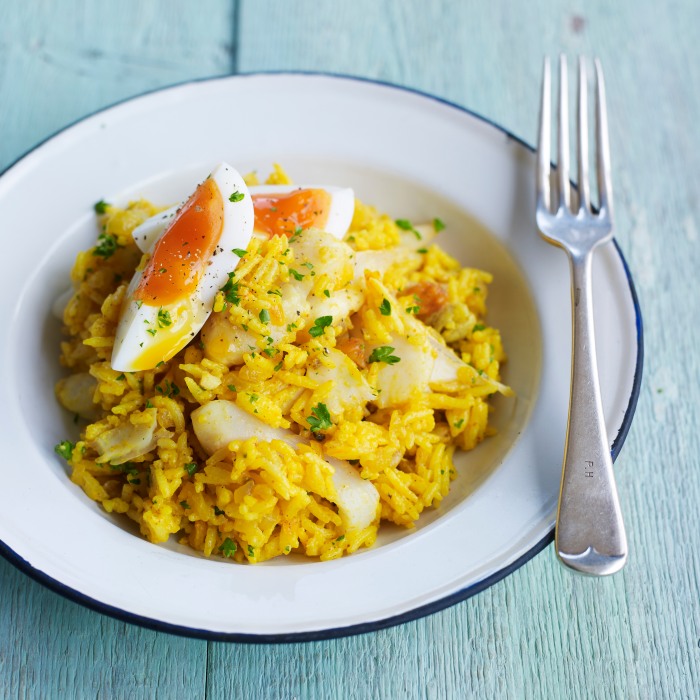
Melt 50g butter in a large saucepan (about 20cm across), add 1 finely chopped medium onion and cook gently over a medium heat for 5 minutes, until softened but not browned. Stir in 3 split cardamom pods, ¼ tsp turmeric, 1 small cinnamon stick and 2 bay leaves, then cook for 1 minute. Tip in 450g basmati rice and stir until it is all well coated in the spicy butter. Pour in 1 litre chicken or fish stock, add ½ teaspoon salt and bring to the boil, stir once to release any rice from the bottom of the pan. Cover with a close-fitting lid, reduce the heat to low and leave to cook very gently for 12 minutes. Meanwhile, bring some water to the boil in a large shallow pan. Add 750g un-dyed smoked haddock fillet and simmer for 4 minutes, until the fish is just cooked. Lift it out onto a plate and leave until cool enough to handle. Hard-boil 3 eggs for 8 minutes. Flake the fish, discarding any skin and bones. Drain the eggs, cool slightly, then peel and chop. Uncover the rice and remove the bay leaves, cinnamon stick and cardamom pods if you wish to. Gently fork in the fish and the chopped eggs, cover again and return to the heat for 2-3 minutes, or until the fish has heated through. Gently stir in almost all the 3 tbsp chopped fresh parsley, and season with a little salt and black pepper to taste. Serve scattered with the remaining parsley and garnished with 1 lemon, cut into wedges.

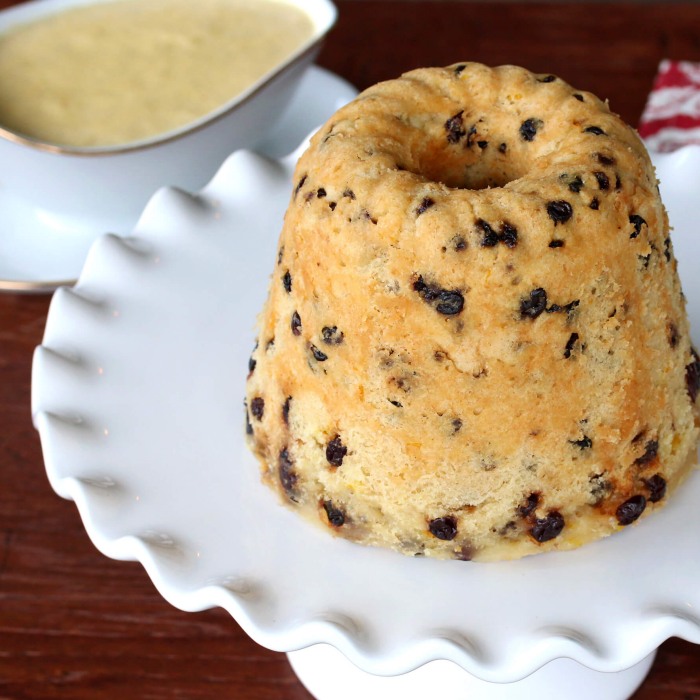
Put the flour and salt in a bowl. Add the suet, currants, sugar, lemon and orange zest. Pour in 150ml milk and mix to a firm but moist dough, adding the extra milk if necessary. Shape into a fat roll about 20cm long. Place on a large rectangle of baking parchment. Wrap loosely to allow for the pudding to rise and tie the ends with string like a Christmas cracker. Place a steamer over a large pan of boiling water, add the pudding to the steamer, cover and steam for 1 1/2 hours. Top up the pan with water from time to time. Remove from the steamer and allow to cool slightly before unwrapping. Serve sliced with custard.

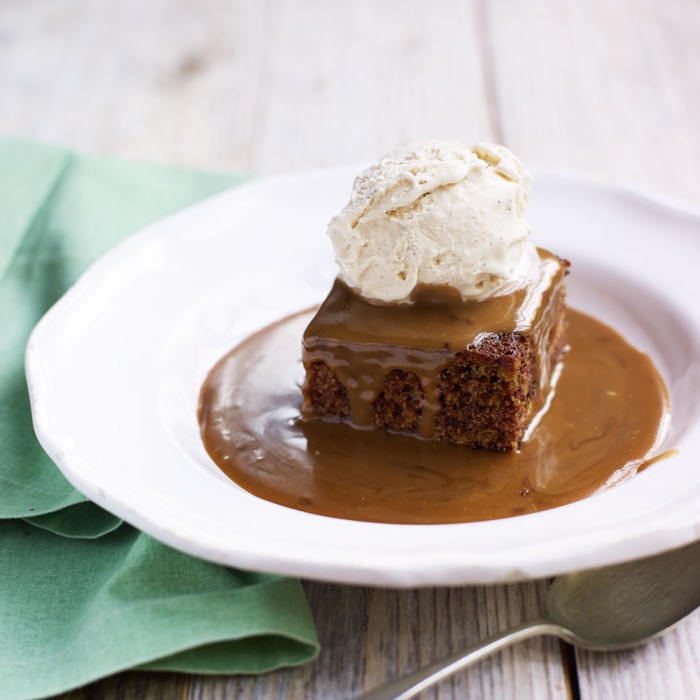
Preheat the oven to 180C/160C Fan/Gas 4. Butter a wide shallow 1.7-litre/3-pint ovenproof dish. Put the butter, sugar, eggs, flour, baking powder, bicarbonate of soda and treacle into a mixing bowl. Beat using an electric handheld whisk for about 30 seconds or until combined. Pour in the milk gradually and whisk again until smooth. Pour into the prepared dish. Bake for 35–40 minutes or until well risen and springy in the centre. To make the sauce, put all the ingredients into a saucepan and stir over a low heat until the sugar has dissolved and the butter has melted. Bring to the boil, stirring for a minute. To serve, pour half the sauce over the pudding in the baking dish. Serve with the cream or ice cream.

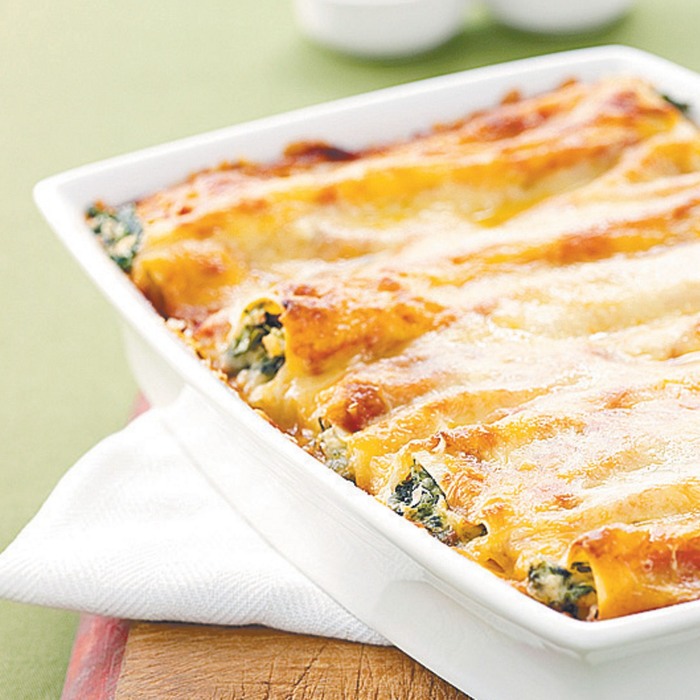
First make the tomato sauce. Heat the oil in a large pan and fry the garlic for 1 min. Add the sugar, vinegar, tomatoes and some seasoning and simmer for 20 mins, stirring occasionally, until thick. Add the basil and divide the sauce between 2 or more shallow ovenproof dishes (see Tips for freezing, below). Set aside. Make a sauce by beating the mascarpone with the milk until smooth, season, then set aside. Put the spinach in a large colander and pour over a kettle of boiling water to wilt it (you may need to do this in batches). When cool enough to handle squeeze out the excess water. Roughly chop the spinach and mix in a large bowl with 100g Parmesan and ricotta. Season well with salt, pepper and the nutmeg. Heat oven to 200C/180C fan/gas 6. Using a piping bag or plastic food bag with the corner snipped off, squeeze the filling into the cannelloni tubes. Lay the tubes, side by side, on top of the tomato sauce and spoon over the mascarpone sauce. Top with Parmesan and mozzarella. You can now freeze the cannelloni, uncooked, or you can cook it first and then freeze. Bake for 30-35 mins until golden and bubbling. Remove from oven and let stand for 5 mins before serving.

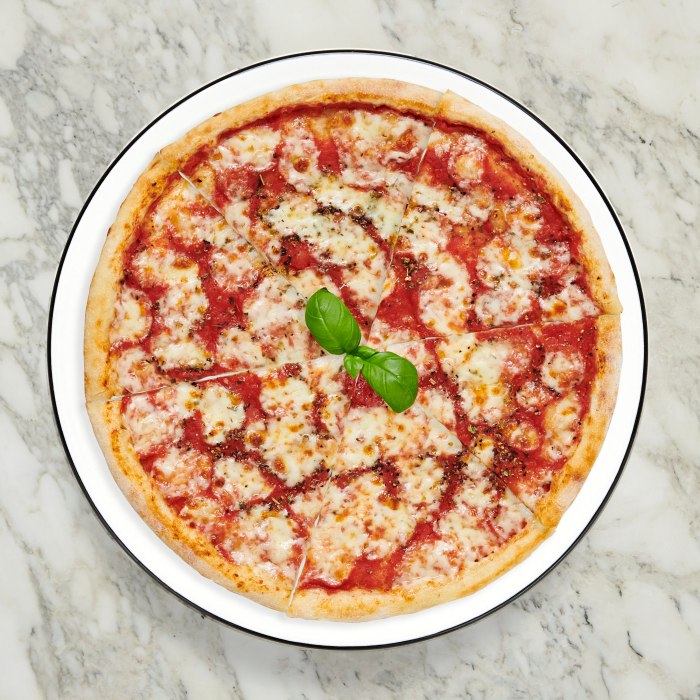
1 Preheat the oven to 230°C. 2 Add the sugar and crumble the fresh yeast into warm water. 3 Allow the mixture to stand for 10 – 15 minutes in a warm place (we find a windowsill on a sunny day works best) until froth develops on the surface. 4 Sift the flour and salt into a large mixing bowl, make a well in the middle and pour in the yeast mixture and olive oil. 5 Lightly flour your hands, and slowly mix the ingredients together until they bind. 6 Generously dust your surface with flour. 7 Throw down the dough and begin kneading for 10 minutes until smooth, silky and soft. 8 Place in a lightly oiled, non-stick baking tray (we use a round one, but any shape will do!) 9 Spread the passata on top making sure you go to the edge. 10 Evenly place the mozzarella (or other cheese) on top, season with the oregano and black pepper, then drizzle with a little olive oil. 11 Cook in the oven for 10 – 12 minutes until the cheese slightly colours. 12 When ready, place the basil leaf on top and tuck in!

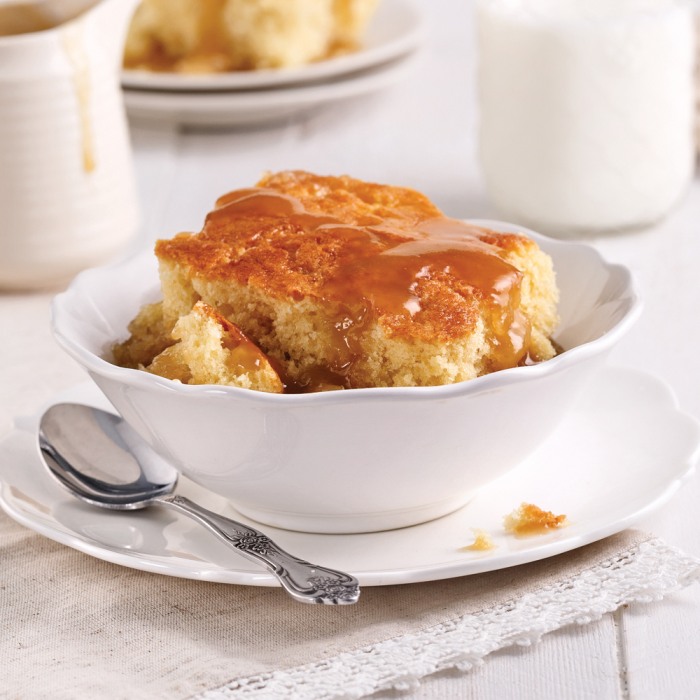
In a large bowl, with an electric mixer, mix the butter and sugar till the mix is light. Add eggs and vanilla and mix. In another bowl, mix flour and baking powder. Alternate flour mix and milk to the butter mix. Pour into a 13 inch by 9 inch greased pan. MAPLE SAUCE. In a large casserole, bring to boil the syrup, brown sugar, cream and butter and constantly stir. Reduce heat and and gently cook 2 minutes or till sauce has reduced a little bit. Pour sauce gently over cake. Bake at 325°f (160°c) about 35 minutes or till cake is light brown and when toothpick inserted comes out clean.

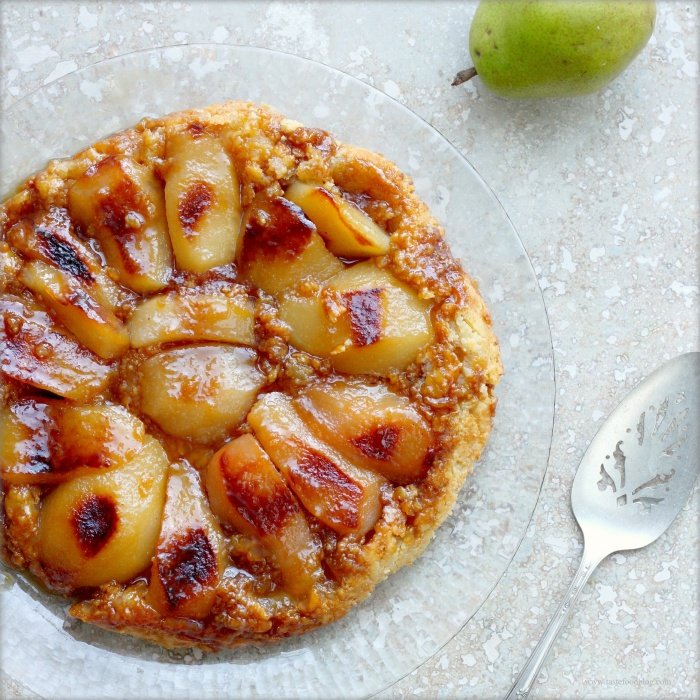
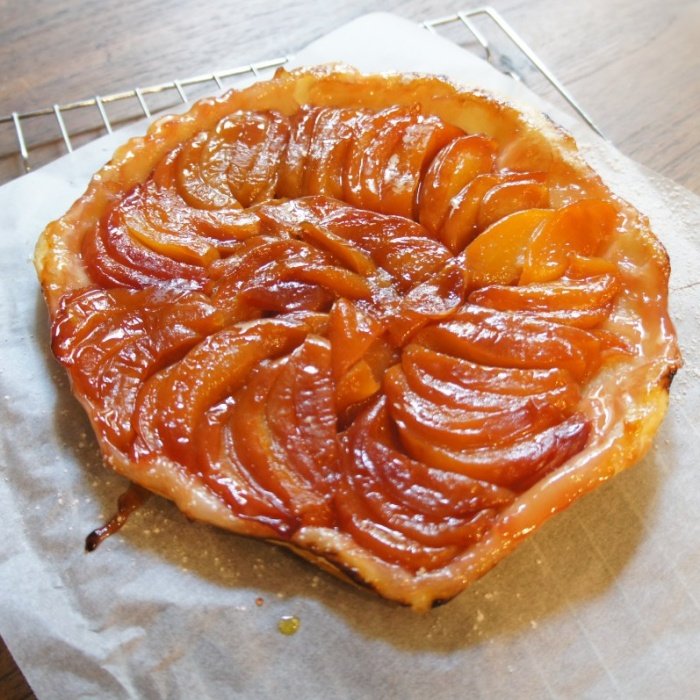
Core the pears, then peel as neatly as possible and halve. If you like, they can be prepared up to a day ahead and kept in the fridge, uncovered, so that they dry out. Tip the sugar, butter, star anise, cardamom and cinnamon into an ovenproof frying pan, about 20cm wide, and place over a high heat until bubbling. Shake the pan and stir the buttery sauce until it separates and the sugar caramelises to a toffee colour. Lay the pears in the pan, then cook in the sauce for 10-12 mins, tossing occasionally, until completely caramelised. Don’t worry about them burning – they won’t – but you want to caramelise them as much as possible. Splash in the brandy and let it flambé, then set the pears aside. Heat oven to 200C/fan 180C/gas 6. Roll the pastry out to the thickness of a £1 coin. Using a plate slightly larger than the top of the pan, cut out a circle, then press the edges of the circle of pastry to thin them out. When the pears have cooled slightly, arrange them in the pan, cut side up, in a floral shape, with the pears around the edge pointing inwards. Rest the cinnamon stick on the top in the centre, with the cardamom pods scattered around. Drape the pastry over the pears, then tuck the edges down the pan sides and under the fruit (see Gordon’s guide). Pierce the pastry a few times, then bake for 15 mins. If a lot of juice bubbles up the side of the pan, pour it off at this stage (see guide). Reduce oven to 180C/fan 160C/gas 4 and bake for 15 mins more until the pastry is golden. Leave the tart to stand for 10 mins, then invert it carefully onto a serving dish.

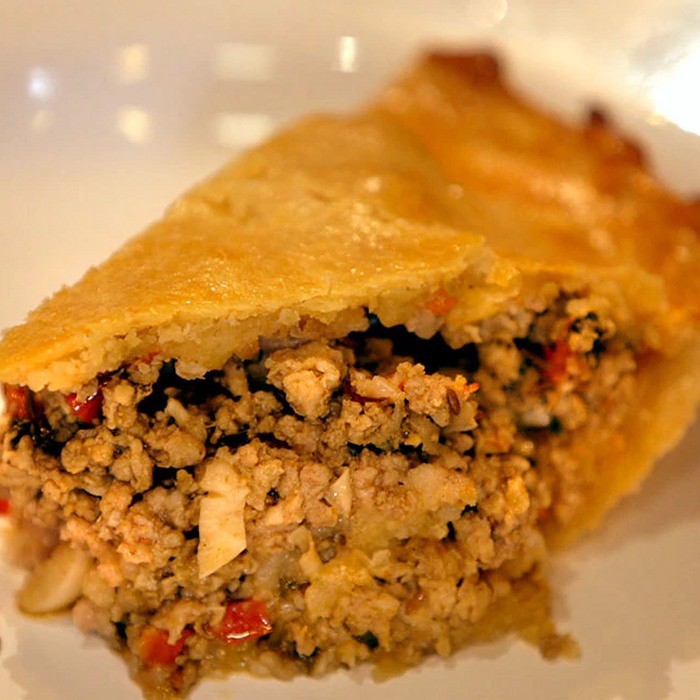
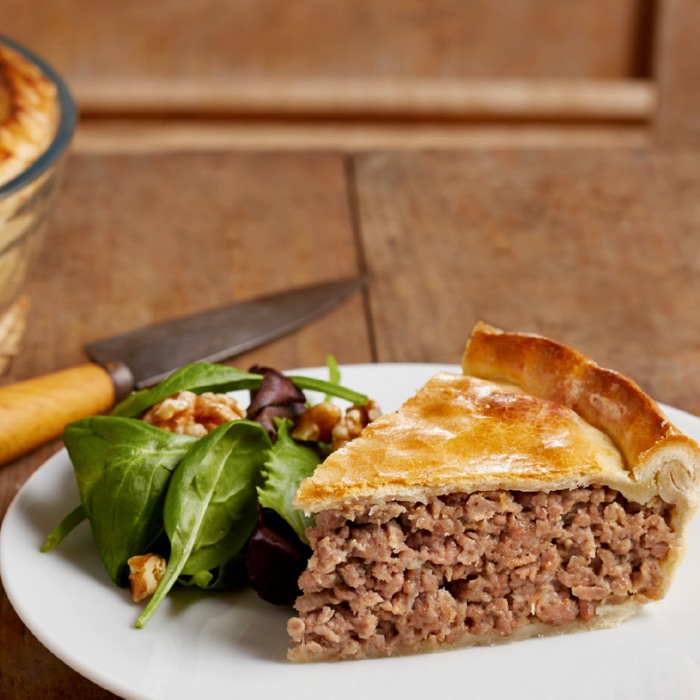
Heat a large frying pan and toast the cumin seeds for a few minutes, then set aside. Heat the oil in the same pan and fry the onion, garlic, chilli, pepper and a good pinch of salt for around eight minutes, until there is no moisture left. Remove from the heat, stir in the toasted cumin seeds, ground mace (or nutmeg) and ground coriander. Leave to cool. In a large bowl mix together the minced lamb, white pepper, fresh coriander, and the cooled spiced onion mixture until combined. Set aside, covered, in the fridge. Preheat the oven to 200C/400F/Gas 6 and generously grease a 20cm/8in diameter loose-bottomed or springform round cake tin with lard. To make the pastry, sift the flour and salt in a large bowl and make a well in the centre. Put the milk, lard and 90ml/3fl oz of water in a saucepan and heat gently. When the lard has melted, increase the heat and bring to the boil. Pour the boiling liquid into the flour, and use a wooden spoon to combine until cool enough to handle. Bring together into a ball. Dust a work surface with flour and, working quickly, knead the dough briefly – it will be soft and moist. Set aside a third of the pastry and roll the rest out on a well-floured surface. Line the pie dish with the pastry, pressing it right up the sides until it pokes just over the top of the tin. Add the filling into the pastry-lined tin bit by bit. As you reach the top, form a slight peak. Roll out the reserved pastry and top the pie with it. Pinch the edges to seal and trim the excess. Poke a hole in the top of the pie and insert a small tube made from aluminium foil to allow steam to escape. Brush the top of the pie with a little beaten egg yolk, and bake in the preheated oven for 30 minutes (put a tray on the shelf below to catch any drips). Then reduce the temperature to 160C/325F/Gas 3 and cook for a further 1¼ hours until golden-brown. Leave to cool completely before refrigerating for two hours, or overnight. Run a knife around the edge of the pie, remove from the tin and serve with chutneys, salads or pickles.

For the rice, heat the oil in a large, lidded pan, add the onion, then gently fry for 5 mins until softened but not coloured. Add the spices, season with salt, then continue to fry until the mix start to go brown and fragrant; about 3 mins. Add the rice and stir in well. Add 600ml water, stir, then bring to the boil. Reduce to a simmer, then cover for 10 mins. Take off the heat and leave to stand, covered, for 10-15 mins more. The rice will be perfectly cooked if you do not lift the lid before the end of the cooking. Meanwhile, put the haddock and bay leaves in a frying pan, cover with the milk, then poach for 10 mins until the flesh flakes. Remove from the milk, peel away the skin, then flake the flesh into thumbsize pieces. Place the eggs in a pan, cover with water, bring to the boil, then reduce to a simmer. Leave for 4½-5 mins, plunge into cold water, then peel and cut the eggs into quarters. Gently mix the fish, eggs, parsley, coriander and rice together in the pan. Serve hot, sprinkled with a few extra herbs.

STEP 1 Heat the oil in a pan, fry the sliced onion until golden brown, then add the tonkatsu (see recipe here), placing it in the middle of the pan. Mix the dashi, soy, mirin and sugar together and tip three-quarters of the mixture around the tonkatsu. Sizzle for a couple of mins so the sauce thickens a little and the tonkatsu reheats. STEP 2 Tip the beaten eggs around the tonkatsu and cook for 2-3 mins until the egg is cooked through but still a little runny. Divide the rice between two bowls, then top each with half the egg and tonkatsu mix, sprinkle over the chives and serve immediately, drizzling with a little more soy if you want an extra umami kick.

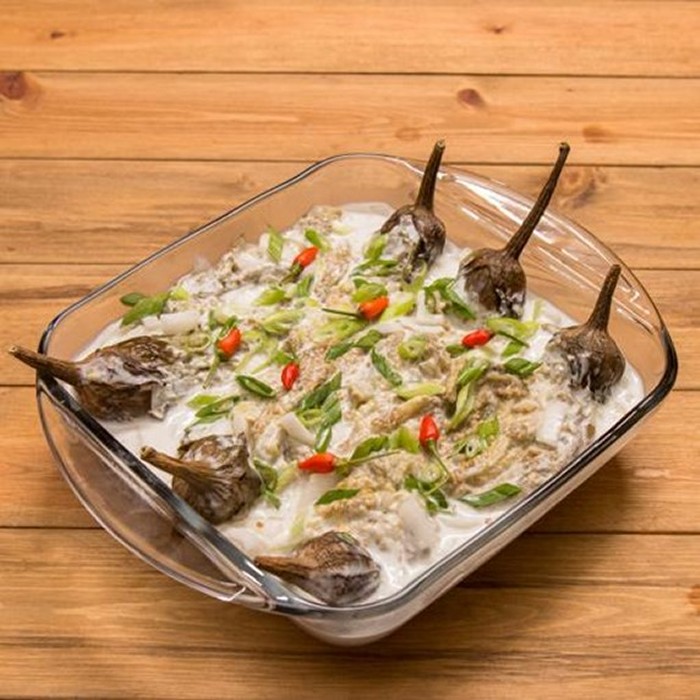
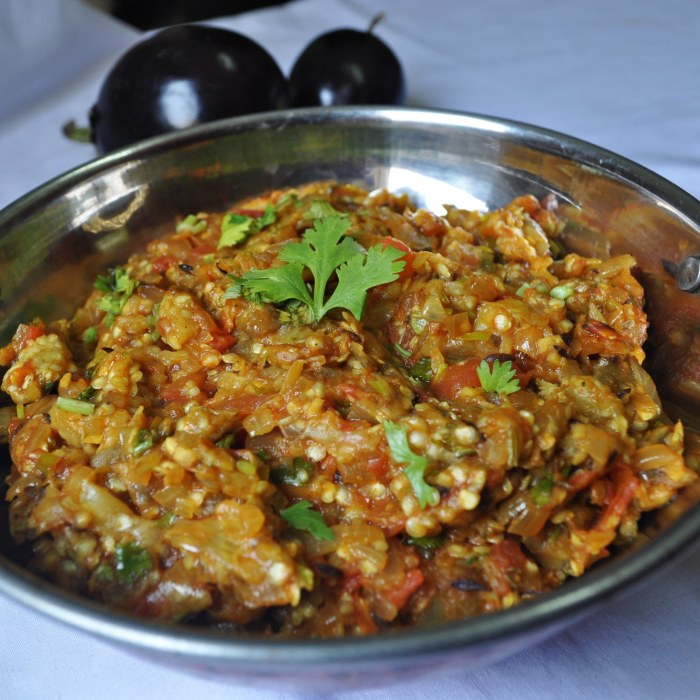
. Prepare the eggplants for grilling by pricking them all over with a fork. This is so it won’t burst during the grilling process as the natural water in it heats up. 2. Grill the eggplants, turning them over frequently to ensure even cooking. Grill until the skins are dark brown, even black and the eggplant is soft when you touch it. 3. Soak the grilled eggplant in a bowl of water to cool it down. Peel the skin off the eggplant. Place the whole eggplants in a shallow dish (my mom actually cuts the eggplant into small, bite-sized pieces). 4. In a small mixing bowl, mix together the coconut milk or cream, lemon powder, salt and hot pepper. Mix until the lemon powder and salt dissolve. Taste, then adjust the amount of lemon powder, salt and hot pepper to your liking. Pour the mixture over the eggplant. Sprinkle the green onions over the eggplant and coconut milk. Stir gently to combine.

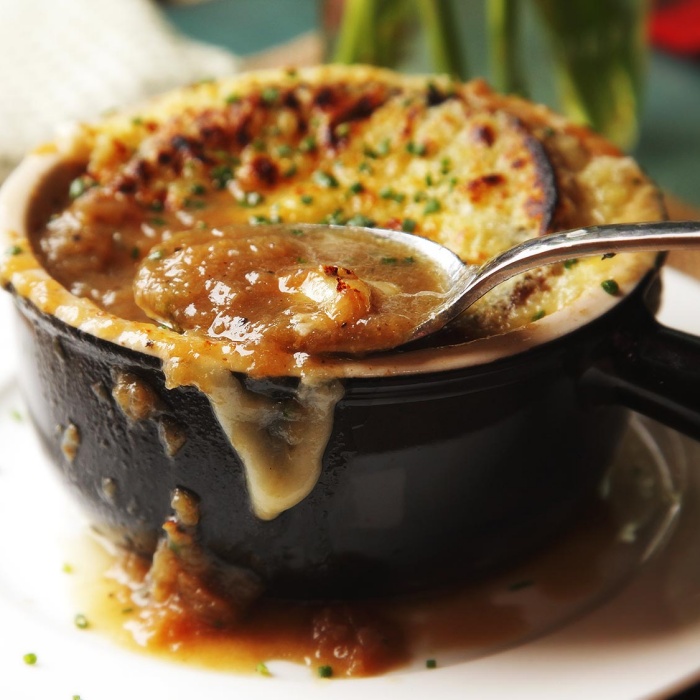
Melt the butter with the oil in a large heavy-based pan. Add the onions and fry with the lid on for 10 mins until soft. Sprinkle in the sugar and cook for 20 mins more, stirring frequently, until caramelised. The onions should be really golden, full of flavour and soft when pinched between your fingers. Take care towards the end to ensure that they don’t burn. Add the garlic for the final few mins of the onions’ cooking time, then sprinkle in the flour and stir well. Increase the heat and keep stirring as you gradually add the wine, followed by the hot stock. Cover and simmer for 15-20 mins. To serve, turn on the grill, and toast the bread. Ladle the soup into heatproof bowls. Put a slice or two of toast on top of the bowls of soup, and pile on the cheese. Grill until melted. Alternatively, you can complete the toasts under the grill, then serve them on top.

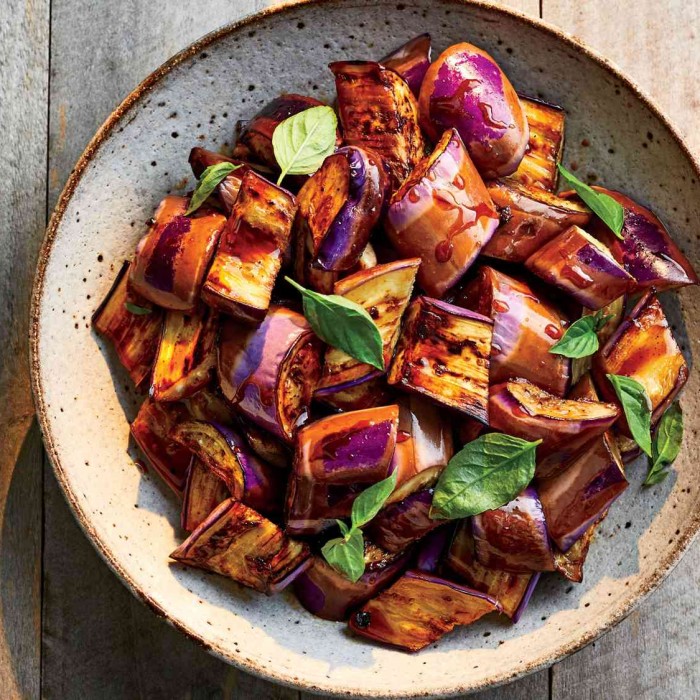
1. Slice 1 lb. small Japanese or Italian eggplant (about 3) into quarters lengthwise, then cut crosswise into 2"-wide pieces. Place in a medium bowl. Add 1 Tbsp. sugar, 1 tsp. Diamond Crystal or ½ tsp. Morton kosher salt, and ½ tsp. freshly ground black pepper. Toss to evenly coat eggplant and let sit at room temperature at least 20 minutes and up to 2 hours. 2. Peel and thinly slice 8 garlic cloves. Add 3 Tbsp. vegetable oil and half of garlic to a medium Dutch oven or other heavy pot. Cook over medium-high heat, stirring constantly with a wooden spoon, until light golden and crisp, about 5 minutes. Using a slotted spoon, transfer garlic chips to a plate; season lightly with salt. 3. Place 4 oz. ground pork in same pot and break up into small pieces with wooden spoon. Season with ¼ tsp. Diamond Crystal or Morton kosher salt and cook, undisturbed, until deeply browned underneath, about 5 minutes. Using a slotted spoon, transfer to another plate, leaving fat behind in the pot. 4. Place eggplant on a clean kitchen towel and blot away any moisture the salt has drawn out. 5. Working in batches and adding more oil if needed, cook eggplant in the same pot until lightly browned, about 3 minutes per side. Transfer to a plate with pork. 6. Pour 1½ cups of water into the pot and scrape up browned bits from the bottom with a wooden spoon. Add remaining garlic, 3 Tbsp. coconut vinegar or unseasoned rice vinegar, 2 Tbsp. soy sauce, 2 bay leaves, 1 tsp. freshly ground black pepper, and remaining 1 Tbsp. sugar. Bring to a simmer, then return pork and eggplant to pot. Reduce heat to medium-low, partially cover, and simmer until eggplant is tender and silky and sauce is reduced by half, 20–25 minutes. Taste and season with more salt and pepper and add a little more sugar if needed. 7. Top with garlic chips and serve with cooked white rice.

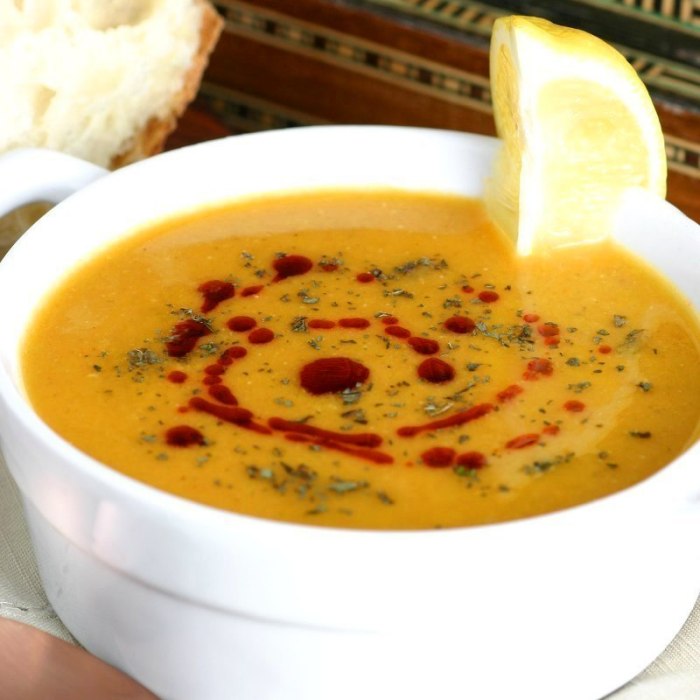
Pick through your lentils for any foreign debris, rinse them 2 or 3 times, drain, and set aside. Fair warning, this will probably turn your lentils into a solid block that you’ll have to break up later In a large pot over medium-high heat, sauté the olive oil and the onion with a pinch of salt for about 3 minutes, then add the carrots and cook for another 3 minutes. Add the tomato paste and stir it around for around 1 minute. Now add the cumin, paprika, mint, thyme, black pepper, and red pepper as quickly as you can and stir for 10 seconds to bloom the spices. Congratulate yourself on how amazing your house now smells. Immediately add the lentils, water, broth, and salt. Bring the soup to a (gentle) boil. After it has come to a boil, reduce heat to medium-low, cover the pot halfway, and cook for 15-20 minutes or until the lentils have fallen apart and the carrots are completely cooked. After the soup has cooked and the lentils are tender, blend the soup either in a blender or simply use a hand blender to reach the consistency you desire. Taste for seasoning and add more salt if necessary. Serve with crushed-up crackers, torn up bread, or something else to add some extra thickness. You could also use a traditional thickener (like cornstarch or flour), but I prefer to add crackers for some texture and saltiness. Makes great leftovers, stays good in the fridge for about a week.

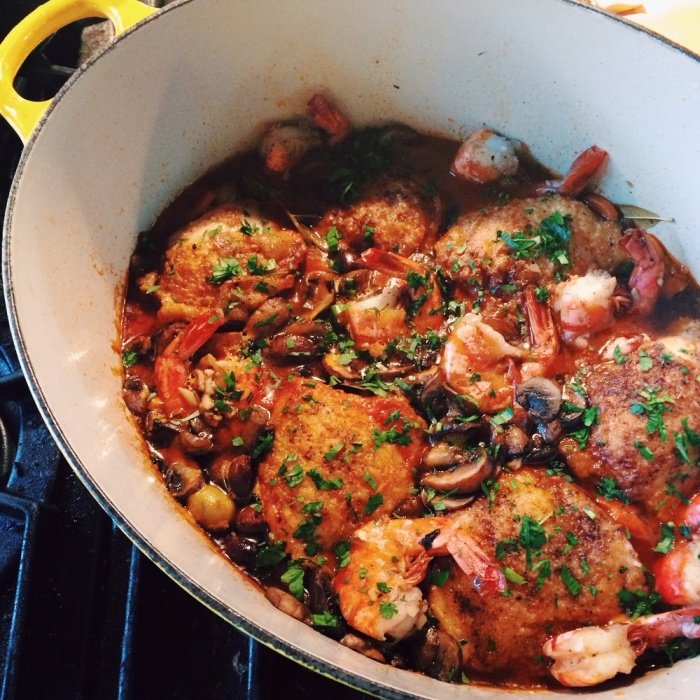
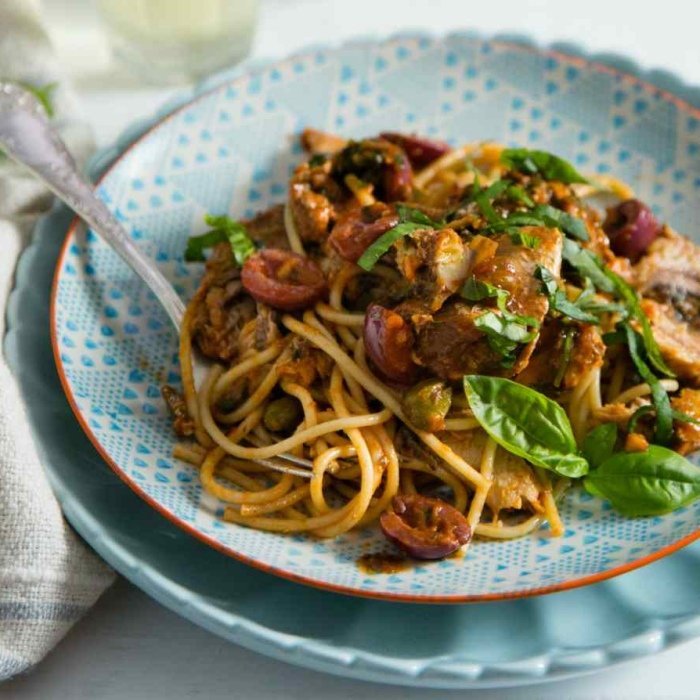
Heat the oil in a large flameproof casserole dish and stir-fry the mushrooms until they start to soften. Add the chicken legs and cook briefly on each side to colour them a little. Pour in the passata, crumble in the stock cube and stir in the olives. Season with black pepper – you shouldn’t need salt. Cover and simmer for 40 mins until the chicken is tender. Sprinkle with parsley and serve with pasta and a salad, or mash and green veg, if you like.

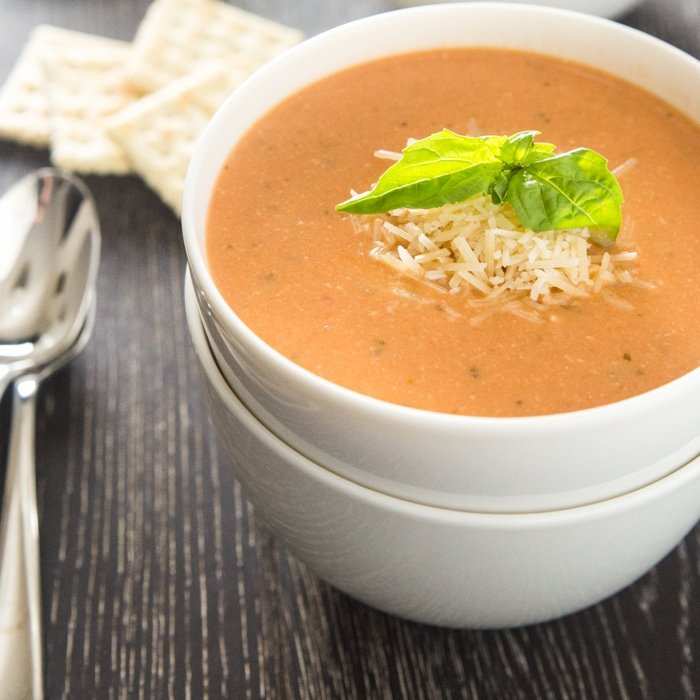
Put the oil, onions, celery, carrots, potatoes and bay leaves in a big casserole dish, or two saucepans. Fry gently until the onions are softened – about 10-15 mins. Fill the kettle and boil it. Stir in the tomato purée, sugar, vinegar, chopped tomatoes and passata, then crumble in the stock cubes. Add 1 litre boiling water and bring to a simmer. Cover and simmer for 15 mins until the potato is tender, then remove the bay leaves. Purée with a stick blender (or ladle into a blender in batches) until very smooth. Season to taste and add a pinch more sugar if it needs it. The soup can now be cooled and chilled for up to 2 days, or frozen for up to 3 months. To serve, reheat the soup, stirring in the milk – try not to let it boil. Serve in small bowls with cheesy sausage rolls.

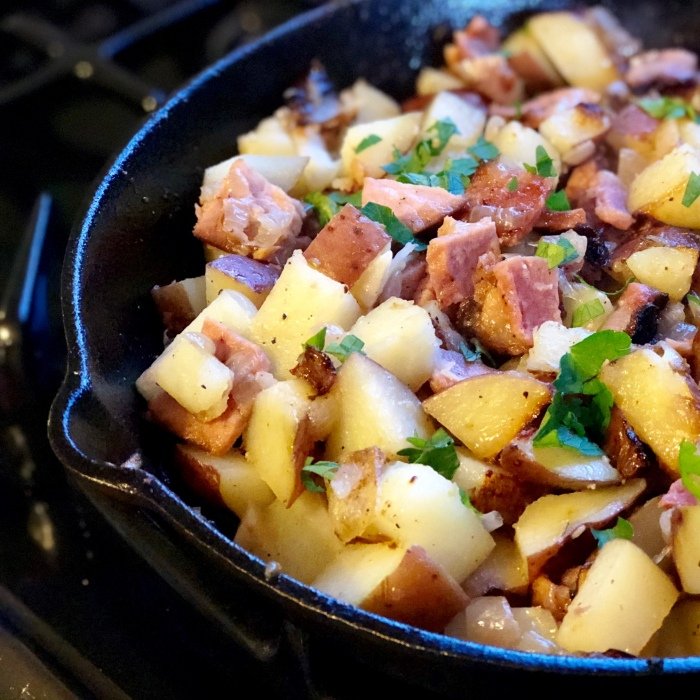
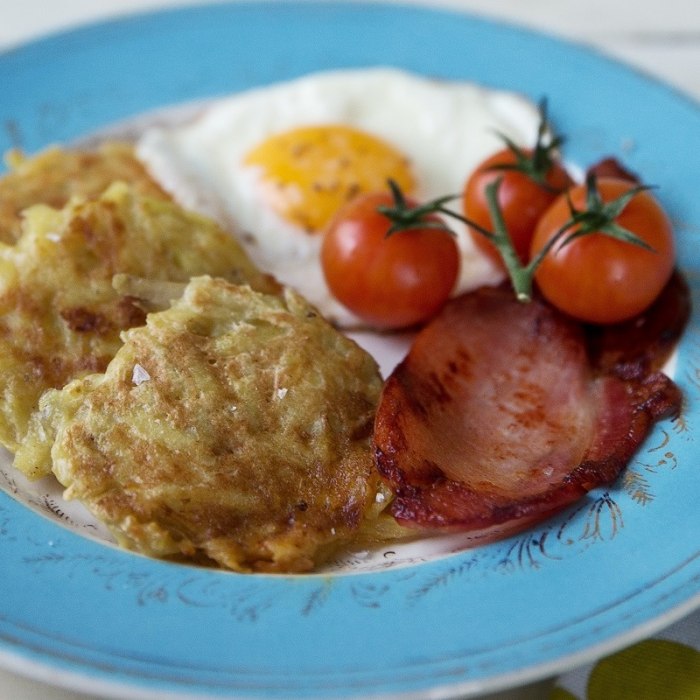
Before you do anything, freeze your bacon slices that way when you're ready to prep, it'll be so much easier to chop! Wash the potatoes and cut medium dice into square pieces. To prevent any browning, place the already cut potatoes in a bowl filled with water. In the meantime, heat 1-2 tablespoons of oil in a large skillet over medium-high heat. Tilt the skillet so the oil spreads evenly. Once the oil is hot, drain the potatoes and add to the skillet. Season with salt, pepper, and Old Bay as needed. Cook for 10 minutes, stirring the potatoes often, until brown. If needed, add a tablespoon more of oil. Chop up the bacon and add to the potatoes. The bacon will start to render and the fat will begin to further cook the potatoes. Toss it up a bit! The bacon will take 5-6 minutes to crisp. Once the bacon is cooked, reduce the heat to medium-low, add the minced garlic and toss. Season once more. Add dried or fresh parsley. Control heat as needed. Let the garlic cook until fragrant, about one minute. Just before serving, drizzle over the maple syrup and toss. Let that cook another minute, giving the potatoes a caramelized effect. Serve in a warm bowl with a sunny side up egg!

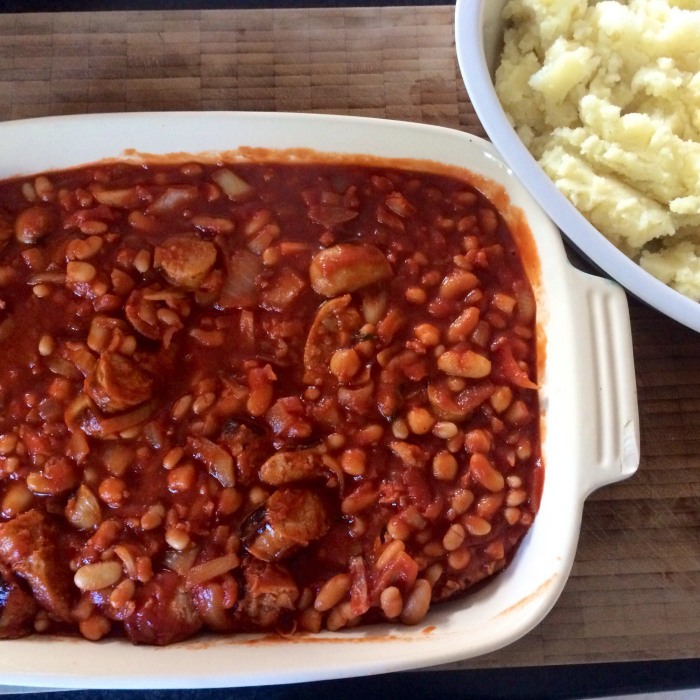
In a large casserole, fry the sausages until brown all over – about 10 mins. Add the tomato sauce, stirring well, then stir in the beans, treacle or sugar and mustard. Bring to the simmer, cover and cook for 30 mins. Great served with crusty bread or rice.

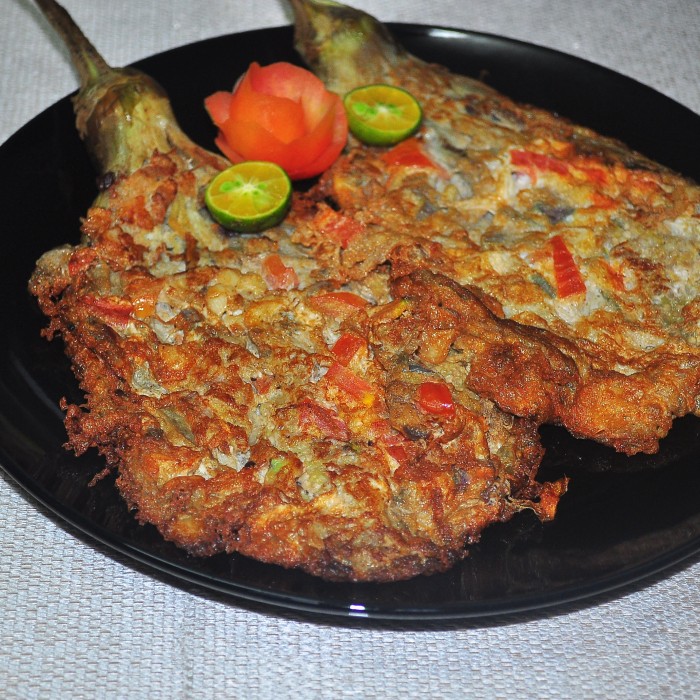
0. Grill the eggplant until the color of skin turns almost black 1. Let the eggplant cool for a while then peel off the skin. Set aside. 2. Crack the eggs and place in a bowl 3. Add salt and beat 4. Place the eggplant on a flat surface and flatten using a fork. 5. Dip the flattened eggplant in the beaten egg mixture 6. Heat the pan and pour the cooking oil 7. Fry the eggplant (that was dipped in the beaten mixture). Make sure that both sides are cooked. Frying time will take you about 3 to 4 minutes per side on medium heat.

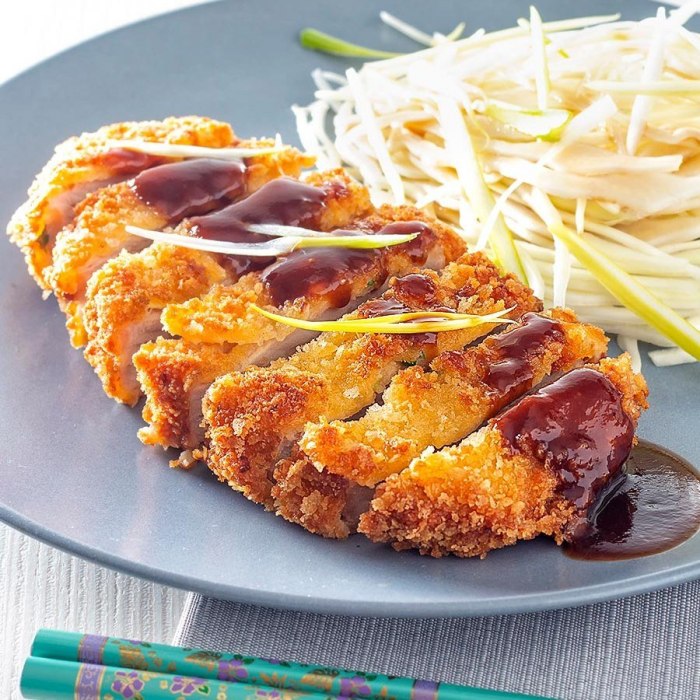
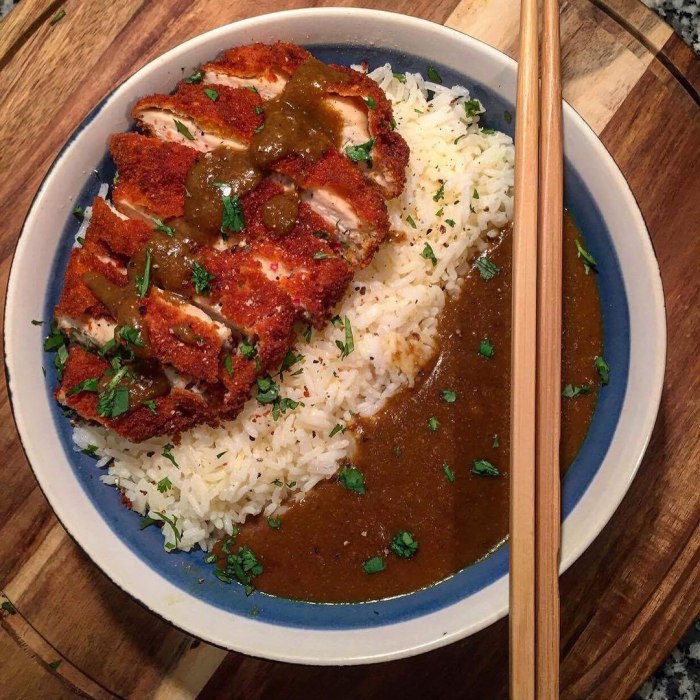
STEP 1 Remove the large piece of fat on the edge of each pork loin, then bash each of the loins between two pieces of baking parchment until around 1cm in thickness – you can do this using a meat tenderiser or a rolling pin. Once bashed, use your hands to reshape the meat to its original shape and thickness – this step will ensure the meat is as succulent as possible. STEP 2 Put the flour, eggs and panko breadcrumbs into three separate wide-rimmed bowls. Season the meat, then dip first in the flour, followed by the eggs, then the breadcrumbs. STEP 3 In a large frying or sauté pan, add enough oil to come 2cm up the side of the pan. Heat the oil to 180C – if you don’t have a thermometer, drop a bit of panko into the oil and if it sinks a little then starts to fry, the oil is ready. Add two pork chops and cook for 1 min 30 secs on each side, then remove and leave to rest on a wire rack for 5 mins. Repeat with the remaining pork chops. STEP 4 While the pork is resting, make the sauce by whisking the ingredients together, adding a splash of water if it’s particularly thick. Slice the tonkatsu and serve drizzled with the sauce.

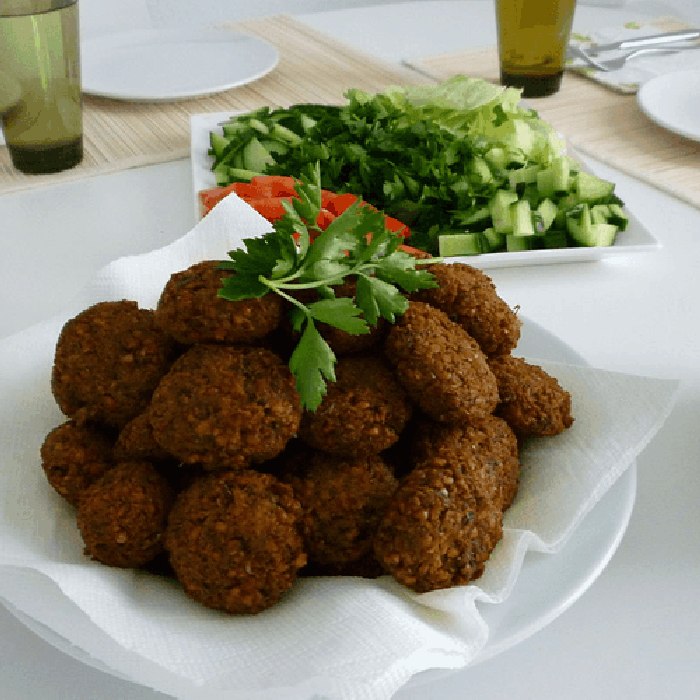
oak the beans in water to cover overnight.Drain. If skinless beans are unavailable, rub to loosen the skins, then discard the skins. Pat the beans dry with a towel. Grind the beans in a food mill or meat grinder.If neither appliance is available, process them in a food processor but only until the beans form a paste. (If blended too smoothly, the batter tends to fall apart during cooking.) Add the scallions, garlic, cilantro, cumin, baking powder, cayenne, salt, pepper, and coriander, if using. Refrigerate for at least 30 minutes. Shape the bean mixture into 1-inch balls.Flatten slightly and coat with flour. Heat at least 1½-inches of oil over medium heat to 365 degrees. Fry the patties in batches, turning once, until golden brown on all sides, about 5 minutes.Remove with a wire mesh skimmer or slotted spoon. Serve as part of a meze or in pita bread with tomato-cucumber salad and tahina sauce.

Slipp välja recept varje vecka
HelloFresh skickar recept med exakt rätt ingredienser hem till dörren.